-
Concerns and Strengths of Middle Aged and Elder Transgender and Gender Nonbinary Individuals
1 Lesson-
StartTopics
-
VIRTUAL WORKSHOP
Concerns & Strengths of Middle Aged and Elder Transgender and Nonbinary Individuals
Concerns & Strengths of Middle Aged and Elder Transgender and Nonbinary Individuals
Join us for an in-depth training focused on the unique mental health, medical, and social care needs of transgender, gender nonbinary, and gender-diverse adults over 50. Older TGD adults remain significantly underrepresented in gerontological research and underserved in health and long-term care systems. This workshop examines the structural, clinical, and interpersonal factors contributing to disparities in care — and equips providers with practical, evidence-informed strategies to deliver affirming, competent assessment and intervention across settings.
Individuals over 50 years of age who identify as transgender, transsexual, gender non-conforming, gender diverse or gender nonbinary are often hidden or absent in most gerontological research. These populations can be the least likely to access health and social services with only 25% saying they feel “comfortable” going to a local senior center. These individuals are more likely than cisgender people to face stigmatization, oppression and discrimination in long term care settings. This is particularly tragic, given that they are less likely to have children or extended family support and have poorer self care than cisgender people over 50, putting them at higher risk to need long term care. The lack of access to respectful health care is also a contributor to higher rates of illness, institutionalization and death.
What Will We Cover?
In this workshop, we will apply a biopsychosocial framework to understanding mental health in middle-aged and older transgender and gender-diverse adults. Participants will learn to differentiate normative age-related cognitive changes from disease processes; identify the psychological, medical, and social risks associated with isolation, discrimination, and institutional care; and strengthen assessment, referral, and psychotherapeutic interventions tailored to this population. We will also examine intersectionality — including race, ethnicity, culture, and socioeconomic factors — and increase clinical sensitivity to sexual orientation and gender identity concerns in later life, while challenging implicit assumptions that may impact care delivery.
Learning Objectives:
- Describe the key components of the biopsychosocial model and apply this model to the assessment of mental illness in older adults.
- Compare normative changes in intellectual, cognitive, and memory functioning with changes associated with pathological conditions in aging populations.
- Demonstrate the use of effective psychological interventions, including assessment, referral, and psychotherapeutic approaches, with middle-aged and older transgender and gender-diverse (TGD) individuals.
- Identify risks and analyze the negative consequences of social isolation among transgender and nonbinary middle-aged and older adults.
- Analyze the impact of multicultural, ethnic, and racial intersectionality on clinical work with older adults.
- Assess sexual and gender-related concerns in transgender and nonbinary individuals over 50 and critique personal and clinical assumptions that may influence care.
Course Curriculum
Concerns & Strengths of Middle Aged and Elder Transgender and Nonbinary Individuals
$249
CE's INCLUDED (3 CEs)
- Video recordings (available for 1 yr)
- Course Slides
- Certificate (3 CE's)
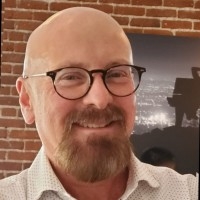
Maximilian E. Fuhrmann, Ph.D., ABPP (geropsychology) is a clinical psychologist and gerontologist. He has worked in private practice in southern California for more than 30 years, specializing in working with older adults and their families. He obtained his doctorate in clinical-aging psychology from the University of Southern California, one of two programs at the time offering such specialization. He has expertise in working with middle aged and older LGBTQ+ and has been part of advocacy for these populations within UPPATH, WPATH, APA Division 44 and local psychological associations. He has taught and continues to teach geropsychology across numerous academic and agency settings. He has co-authored 3 books focusing on resilience in later life. His educational website www.agewelldrmax.com contains numerous podcasts, online interviews and publications. In addition to his professional work, he is an avid cyclist, remote backpacker and landscape photographer.